Anti-Fast-Fashion Law: Key Takeaways from the Final Version of the Bill
July 1, 2026

.png)
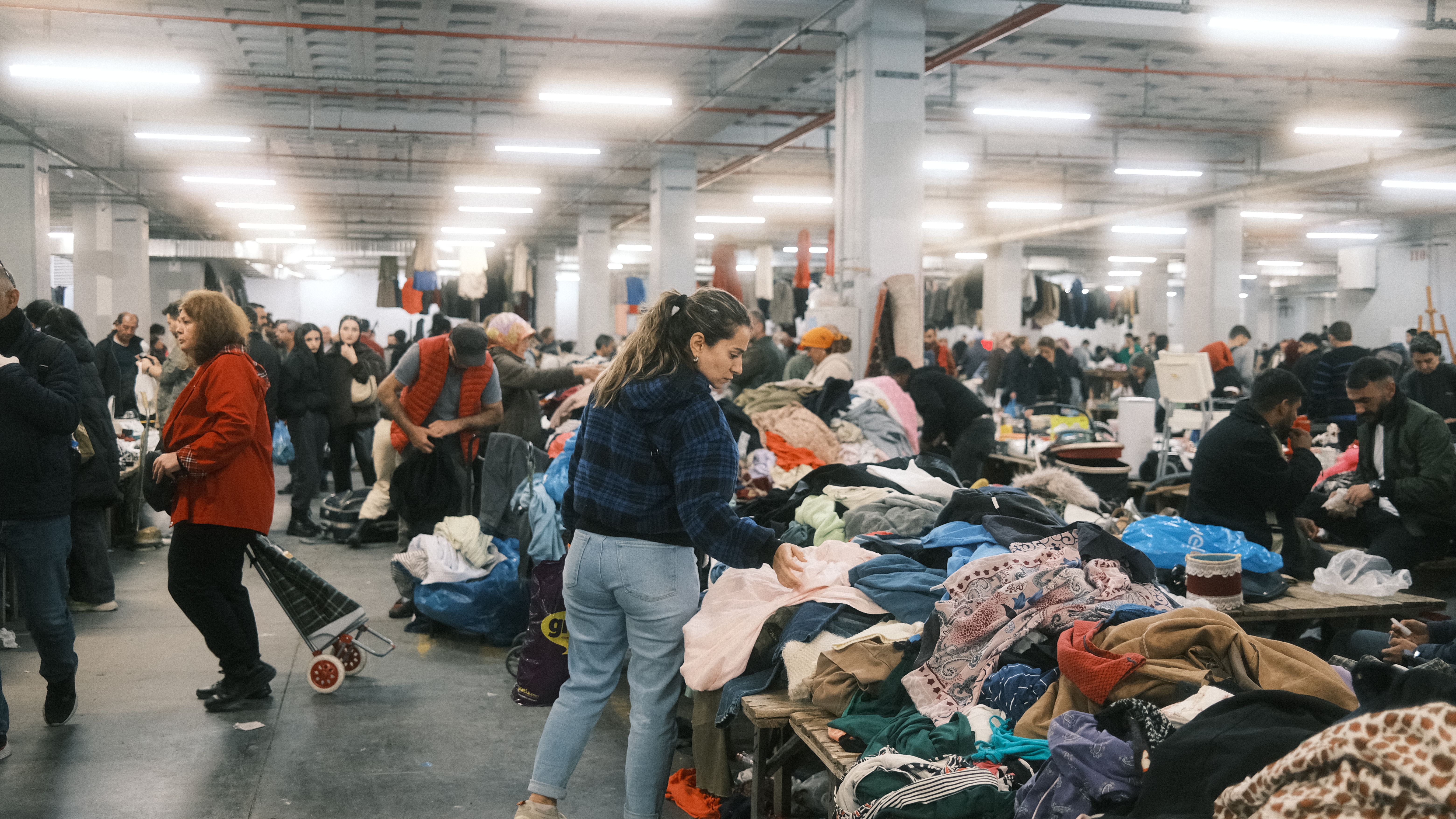
On June 29, 2026, the Senate passed the bill “aimed at reducing the environmental impact of the textile industry” into law.
Drafted in 2024 to cover the entire textile industry, the bill was gradually refocused—through successive readings and the joint committee—on a narrower objective: curbing Asian platforms such as Shein, Temu, and AliExpress.
The core of the text (Article 1) introduces a new concept into the Environmental Code: “ultra-express fashion.” It is characterized by two cumulative criteria:
These two criteria reflect those used to calculate the Environmental Cost sustainability coefficient: product range and incentives for repair.
Key point: These specific thresholds are not set by the law itself, but are left to a decree. In practice, this decree will determine which brands are affected—a point that Commerce Minister Serge Papin himself acknowledged, stating that he wants to “protect French retailers” by adjusting the thresholds if the business model of these platforms changes.
The provision also applies to marketplaces: a platform is assessed based on all the products it sells, unless it can prove that the brand in question is the manufacturer itself and that the marketplace is not its primary sales channel. This clause was designed to avoid penalizing a French brand that sells, for example, on Amazon.
The most concrete measure concerns the adjustment of the EPR (Extended Producer Responsibility) eco-fee. When this adjustment takes the form of a penalty, the amount per product is capped as follows:
This penalty must remain less than 50% of the product's pre-tax selling price.
The specific amounts for each product category will depend on Refashion’s specifications, which are still under discussion through the fall (meetings on June 27 and July 22, public consultation in September, final version expected in the fall of 2026).
In addition to the penalty, the bill establishes three other requirements:
Point to note: The wording of this latest measure remains vague regarding its practical details (direct display or clickable link). Brands that already provide traceability information online should anticipate that this data will be more prominently displayed, closer to the listed price. The government is expected to provide clarification on this measure.
Key point: The measure does not apply to businesses established in another European Union member state. In practice, retailers such as Zara, Kiabi, and Primark are exempt from the penalty and the advertising ban, a fact that sparked fierce criticism during parliamentary debates, with several lawmakers denouncing a bill designed to exempt European multinationals rather than to regulate practices, regardless of who the operators are.
Furthermore, since Shein and Temu are based in Ireland to sell their products in Europe, there is a high risk that they will take advantage of this measure if France does not obtain an exemption from the European Commission for these specific cases.
The law marks an unprecedented milestone: France is the first country to enact legislation specifically targeting ultra-fast fashion. However, its actual effectiveness will depend largely on the upcoming implementing regulations and on the government’s ability to resist attempts by the targeted players to circumvent the law.


.png)
.png)
.png)
